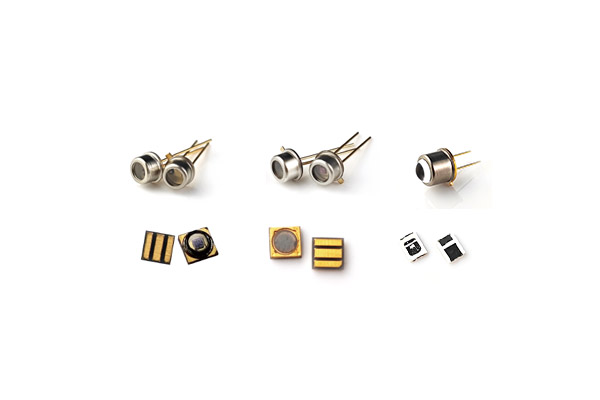
What is UV Photodiode
UV photodiodes optimized for the 200 nm to 400 nm ultraviolet spectrum are rapidly emerging as the definitive sensing solution for UV disinfection monitoring, environmental radiation measurement, and industrial process control systems. However, for engineers accustomed to conventional UV detection technologies—such as photomultiplier tubes or broadband photodetectors—bridging the gap between UV photodiode specifications and real-world application requirements can be a complex endeavor.
Translating datasheet metrics into reliable system performance demands a specialized design approach tailored to UV-specific challenges. Unlike traditional PMTs or general-purpose photodetectors, UV photodiodes are solid-state semiconductor devices whose sensing accuracy and long-term stability are highly dependent on spectral matching, bias configuration, thermal management, and environmental interference mitigation.
Key performance parameters such as photocurrent linearity, noise suppression, and spectral selectivity behave distinctly under practical operating conditions compared to laboratory-calibrated datasheet values. For deep UV (UVC) applications (200–280 nm), in particular, material-specific constraints—such as the bandgap characteristics of AlGaN or SiC substrates—add another layer of complexity, requiring engineers to balance sensitivity, response speed, and durability for targeted use cases like UVC LED disinfection dose monitoring or germicidal efficacy verification.
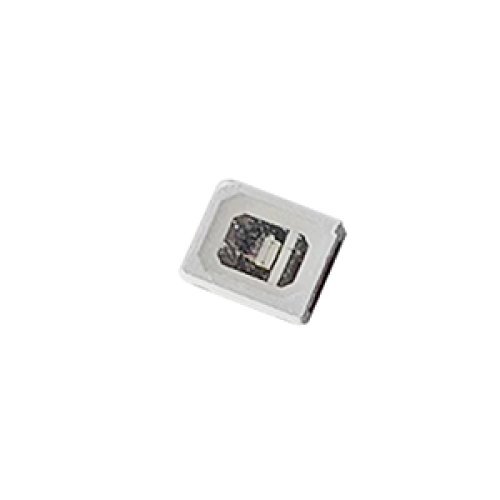
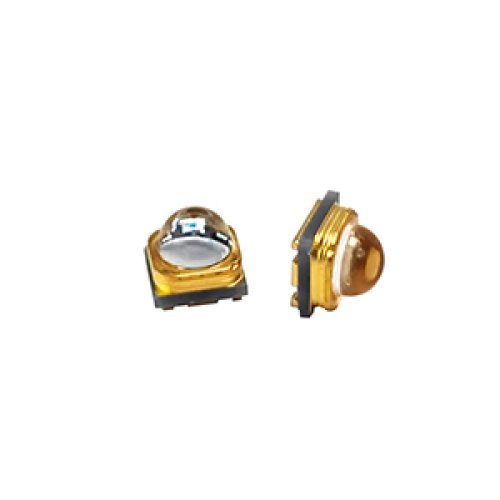
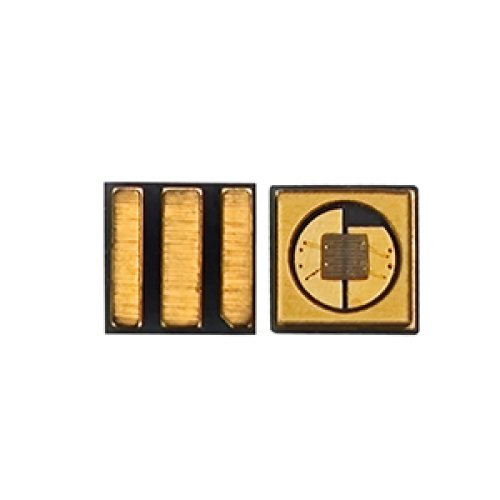
A UV photodiode is a semiconductor photodetector specifically designed to detect ultraviolet (UV) light (typically 10–400 nm) and convert it into a measurable electrical current. It is the UV-sensitive counterpart to visible/IR photodiodes, optimized for UV spectral response.
Unlike conventional UV detectors that contain hazardous materials or require complex disposal, UV photodiodes are mercury-free, solid-state, and environmentally responsible.
Unlike traditional UV sensors that suffer from drift and inconsistent readings, UV photodiodes deliver stable and reliable detection performance over long operating periods.
Unlike bulky UV detection modules that limit design integration, UV photodiodes feature an ultra-compact size for flexible installation in modern monitoring systems.
Unlike power-hungry UV detection devices, UV photodiodes operate at low power with high energy efficiency, ideal for portable and battery-powered equipment.
Unlike conventional sensors with limited measurement range, UV photodiodes offer excellent linearity and a wide dynamic range for accurate UV intensity monitoring.
Unlike slow-response UV detectors, UV photodiodes provide rapid real-time feedback, enabling precise control and adjustment of UV disinfection systems.
Unlike standard photodetectors with poor UV response, UV photodiodes are specially optimized for high sensitivity in UVC/UVB/UVA bands.